

As a professional chef, I have spent years perfecting the balance of salt, acid, fat, and heat, and this Asian Chopped Salad represents the pinnacle of that culinary pursuit. Many people view salads as a mere side dish or a dietary obligation, but I believe every meal should be an explosion of flavor and texture. This recipe combines the satisfying crunch of fresh, vibrant vegetables with a velvety, umami-forward dressing that coats every single leaf.
We are moving far beyond the soggy, uninspired salads of the past and embracing a bowl filled with nutrient-dense, high-quality ingredients. Whether you serve this as a light lunch or the foundation for a decadent dinner, you will notice how the precision of the chop and the quality of the oils elevate the entire experience.
Healthy eating never has to be boring when you understand how to manipulate fresh produce to achieve maximum taste. Get ready to master the ultimate Asian Chopped Salad that will redefine your expectations of what “healthy” feels and tastes like.
Why You’ll Love This Asian Chopped Salad
- Explosive Flavor Profile: The combination of fresh ginger, garlic, and high-quality tamari creates a deep umami base that balances perfectly with the natural sweetness of honey.
- Superior Textural Contrast: By utilizing three different types of crunch—crisp cabbage, snappy bell peppers, and toasted nuts—every bite offers a dynamic mouthfeel that keeps you coming back for more.
- Nutrient-Dense and Anti-Inflammatory: We swap out processed seed oils for heart-healthy Avocado Oil and replace refined sugars with natural sweeteners, ensuring this Asian Chopped Salad nourishes your body while delighting your palate.
- Chef-Level Versatility: This recipe serves as a brilliant canvas for various proteins, making it an essential tool in your culinary repertoire for meal prep or dinner parties.
Ingredients You’ll Need
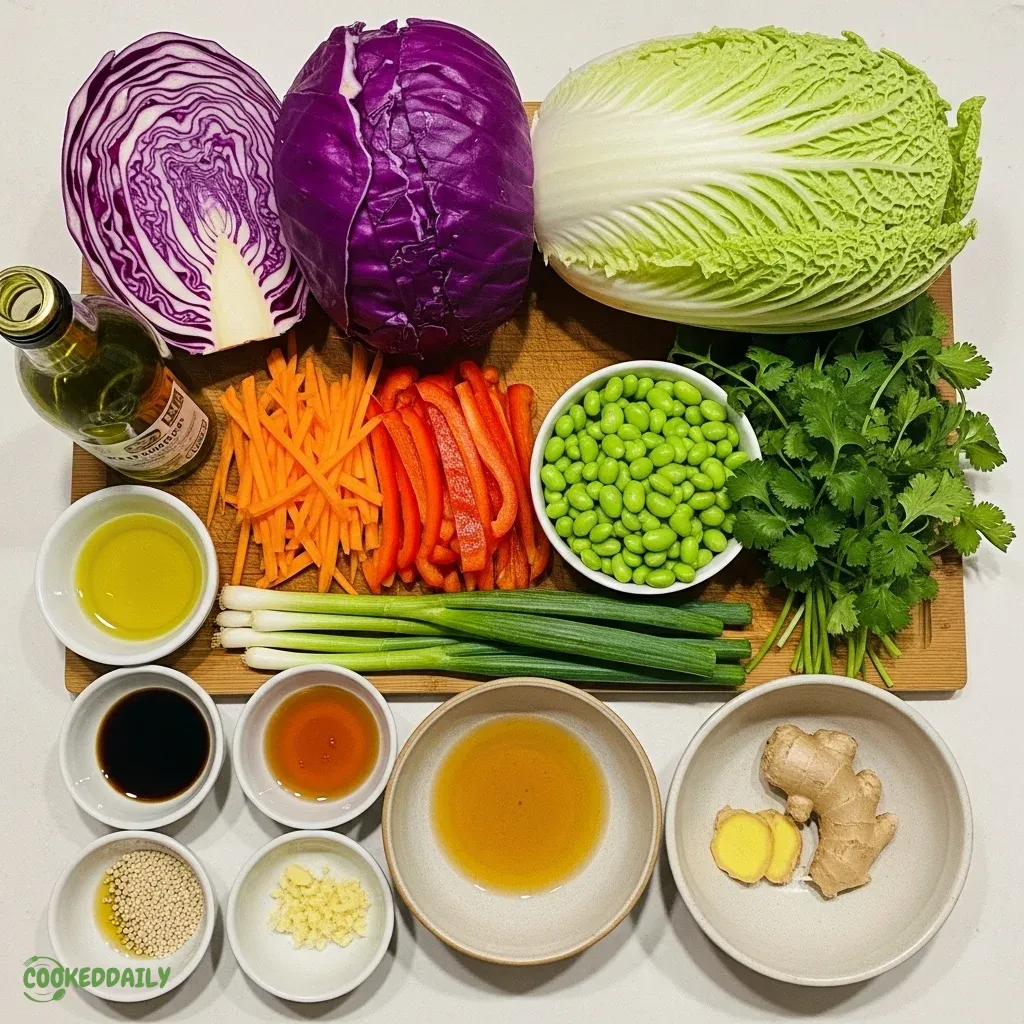
To achieve the best results with your Asian Chopped Salad, ingredient quality remains paramount. Always select the freshest produce available, as the vegetables provide the structural integrity of the dish. For the dressing, I recommend using cold-pressed oils and organic aromatics to ensure the flavors remain bright and sharp. The Asian Chopped Salad relies on the harmony of these specific components.
| Category | Ingredient | Quantity |
|---|---|---|
| Base | Napa Cabbage (shredded) | 4 Cups |
| Base | Purple Cabbage (shredded) | 2 Cups |
| Vegetables | Carrots (julienned) | 1 Cup |
| Vegetables | Red Bell Pepper (thinly sliced) | 1 Large |
| Vegetables | Edamame (shelled and cooked) | 1 Cup |
| Aromatics | Scallions (sliced on a bias) | 1/2 Cup |
| Aromatics | Fresh Cilantro (chopped) | 1/2 Cup |
| Crunch | Sliced Almonds or Cashews (toasted) | 1/2 Cup |
| Dressing | Avocado Oil | 1/3 Cup |
| Dressing | Rice Vinegar (unseasoned) | 3 Tbsp |
| Dressing | Tamari or Coconut Aminos | 2 Tbsp |
| Dressing | Honey or Maple Syrup | 1 Tbsp |
| Dressing | Fresh Ginger (grated) | 1 Tbsp |
| Dressing | Garlic (minced) | 1 Clove |
| Dressing | Toasted Sesame Oil | 1 Tsp |
Substitutions & Variations
Note: This video is for demonstration purposes and may use a slightly different method.
The beauty of the Asian Chopped Salad lies in its adaptability. As a chef, I encourage you to experiment with what you have on hand, provided you maintain the balance of the flavor profile. If you want to transform this into a heartier meal, you can easily incorporate various proteins or grains. Here are some of my favorite healthy swaps for this Asian Chopped Salad:
- Protein Additions: Add Searing chicken breast, air-fried tofu, or grilled shrimp to increase the satiety of the dish. If you prefer fish, a piece of pan-seared salmon pairs beautifully with the ginger-soy dressing.
- Nut-Free Option: If you have a nut allergy, swap the almonds for toasted sunflower seeds or pumpkin seeds (pepitas) to maintain that essential crunch.
- Grain Inclusion: For a more substantial Asian Chopped Salad, toss in a cup of cooked quinoa or brown rice. These grains absorb the dressing beautifully.
- Soy-Free: Use coconut aminos instead of tamari. Coconut aminos are naturally sweeter and lower in sodium, which complements the fresh vegetables perfectly.
- Spice Level: If you enjoy a culinary kick, whisk in a teaspoon of red chili flakes or a dollop of sriracha (ensure it is a brand without refined sugar) into the dressing.
If you’re looking to add some protein to your Asian Chopped Salad, consider a Vegetable Stir Fry with Tofu for a nutritious boost. This dish pairs wonderfully and keeps the meal light and satisfying, making it a perfect complement to your salad. Check out the recipe for a delightful protein addition here.
Step-by-Step Instructions
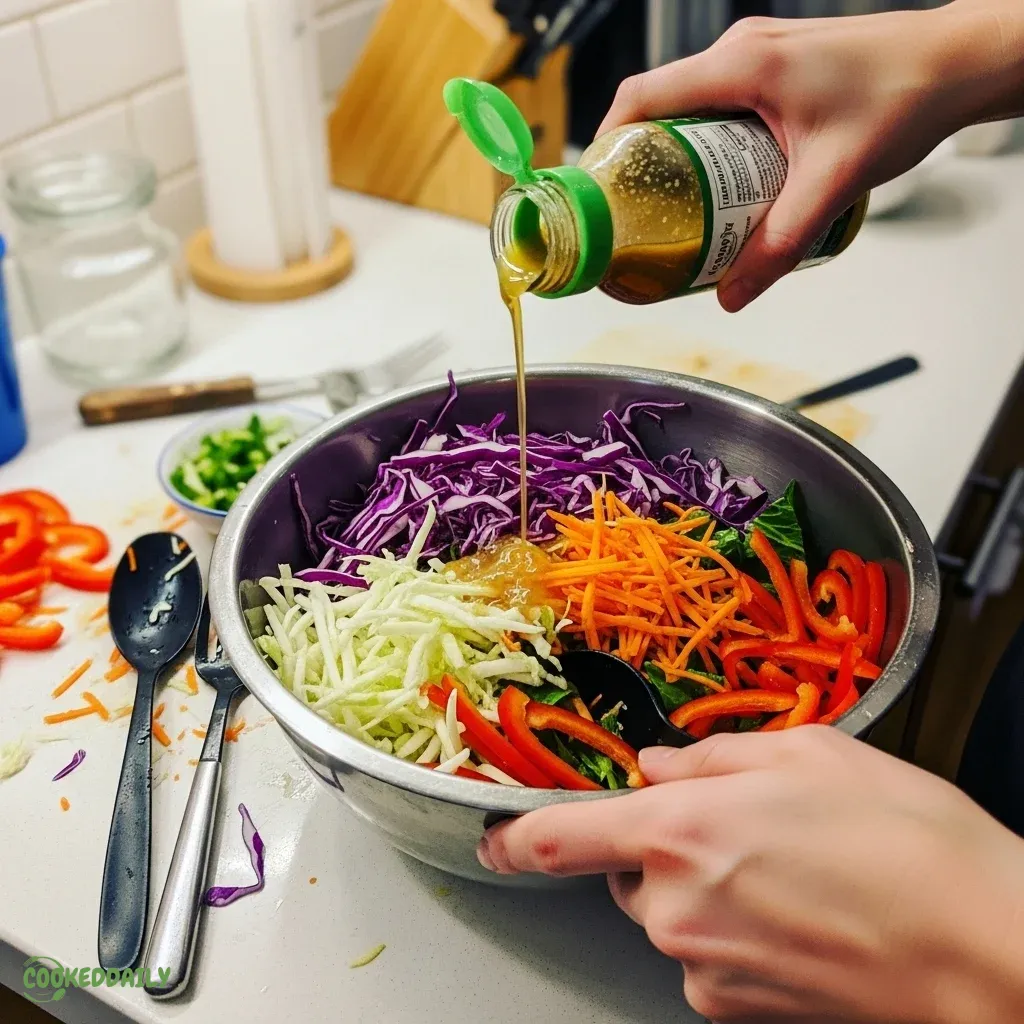
Follow these steps precisely to ensure your Asian Chopped Salad achieves the perfect texture and flavor distribution. High-quality preparation is the secret to a professional-grade salad.
- Prepare the Dressing: In a small glass jar or bowl, combine the Avocado Oil, rice vinegar, tamari, honey, grated ginger, minced garlic, and toasted sesame oil. Whisk vigorously until the mixture emulsifies. Emulsification is key; you want the oil and vinegar to bond so they coat the vegetables evenly rather than sliding off.
- Chop the Vegetables: Consistency is vital for a “chopped” salad. Shred both the Napa and purple cabbage into fine ribbons. Julienne the carrots and thinly slice the bell peppers. The goal is to have all ingredients roughly the same size so you get a bit of everything in every forkful of your Asian Chopped Salad.
- Combine the Base: In a large mixing bowl, toss the shredded cabbages, carrots, bell peppers, edamame, scallions, and cilantro together. Use your hands or large salad tongs to ensure the colors are vibrantly distributed throughout the Asian Chopped Salad.
- Toast the Nuts: Place your sliced almonds or cashews in a dry pan over medium heat. Toast them for 3-5 minutes, tossing frequently, until they become fragrant and golden brown. This step releases the natural oils and significantly enhances the flavor of the final dish.
- Dress the Salad: Pour about two-thirds of the dressing over the vegetables. Toss thoroughly. I recommend letting the Asian Chopped Salad sit for about 5 to 10 minutes before serving. This allows the cabbage to soften slightly and absorb the complex flavors of the dressing.
- Garnish and Serve: Just before serving, add the toasted nuts and a final sprinkle of sesame seeds. Add the remaining dressing if needed. Serve immediately while the crunch is at its peak.
Pro Tips for Success
To take your Asian Chopped Salad to a five-star restaurant level, you must focus on the details. Here are my professional tips for ensuring every bowl is perfect:
- The “Chef’s Tip”: To maximize flavor, “bruise” your cabbage slightly. After shredding the cabbage, give it a very light massage with a pinch of sea salt before adding the other ingredients. This breaks down the tough cellulose fibers just enough to let the dressing penetrate deeper, making your Asian Chopped Salad much more flavorful.
- Knife Skills Matter: The term “chopped” implies a specific texture. Invest time in slicing your vegetables thinly. A mandoline slicer can be a great tool for achieving those paper-thin cabbage ribbons and carrot matches.
- Temperature Control: Serve your Asian Chopped Salad chilled. I often place my mixing bowl in the refrigerator for 15 minutes before assembling to ensure the vegetables remain as crisp as possible.
- Balance the Acidity: Always taste your dressing before pouring. If it feels too sharp, add a tiny drop more honey. If it feels too heavy, add a splash more rice vinegar. A chef always tastes and adjusts.
To elevate your Asian Chopped Salad to new heights, professional chefs recommend incorporating techniques from dishes like Keto Beef and Broccoli Stir Fry. This will not only enhance the flavor profile but also add depth to your meal; discover how the richness of beef complements fresh salad here.
Storage & Reheating Tips
While the Asian Chopped Salad is best enjoyed fresh, you can certainly prepare it ahead of time with a few strategic moves. Cabbage is much heartier than lettuce, which makes this salad an excellent candidate for meal prep.
- Storage: Store the chopped vegetables and the dressing in separate airtight containers in the refrigerator. The vegetables will stay crisp for up to 3-4 days. The dressing will last for up to a week.
- Pre-Dressed Salad: If you have already dressed the Asian Chopped Salad, it will stay edible for about 24 hours, though it will lose its signature crunch. The cabbage will essentially “pickle” in the vinegar, which some people actually enjoy!
- Avoid Sogginess: Never add the toasted nuts or seeds until the very moment you are ready to eat. Moisture is the enemy of a good crunch.
- Reheating: Do not reheat this dish! This is a cold salad designed to be refreshing. If you are adding a warm protein like Searing chicken, add it on top of the cold salad right before serving to create a pleasant temperature contrast.
What to Serve With This Recipe
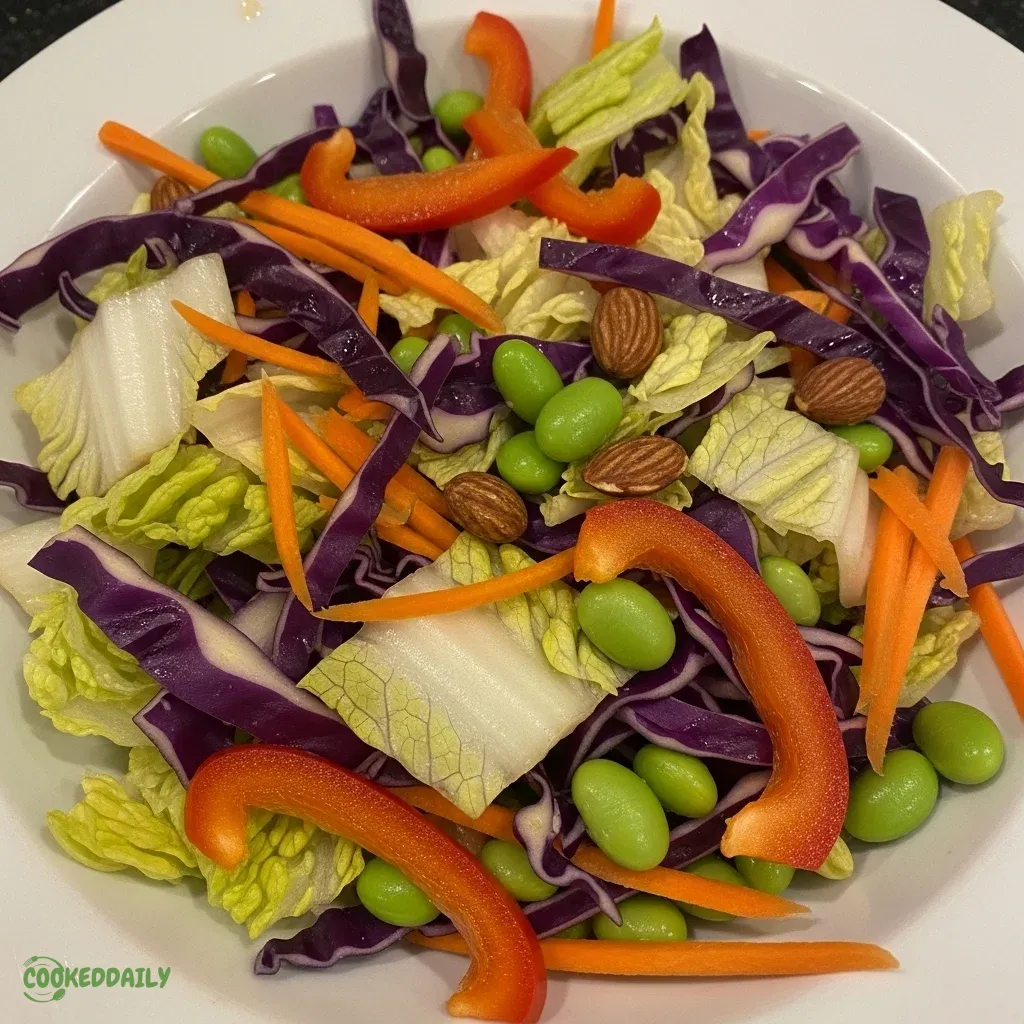
This Asian Chopped Salad is incredibly versatile and pairs well with a variety of healthy, whole-food dishes. Since the salad is light and vibrant, I like to pair it with something that offers a bit of warmth or richness.
- Main Proteins: Serve this alongside a piece of miso-glazed cod or a perfectly grilled grass-fed steak. The acidity of the Asian Chopped Salad cuts through the richness of the meat beautifully.
- Roasted Vegetables: A side of roasted broccoli with a drizzle of sesame oil or air-fried Brussels sprouts provides a warm, earthy balance to the fresh salad.
- Starches: If you need more carbohydrates, a side of steamed jasmine rice or roasted sweet potato wedges seasoned with five-spice powder works wonders.
- Soup: For a complete “bento-style” meal, serve a small bowl of miso soup or a clear ginger broth before enjoying the Asian Chopped Salad.
For a complete dining experience, serve your Asian Chopped Salad alongside a Grilled Salmon Bowl that provides a warm and savory contrast. This combination not only balances flavors but also enhances the overall texture of your meal; find the grilled salmon recipe here.
FAQs
Can I make this Asian Chopped Salad ahead of time for a party?
Absolutely. You can chop all the vegetables and prepare the dressing up to 24 hours in advance. Keep the components separate and toss them together about 15 minutes before your guests arrive. This ensures the Asian Chopped Salad remains vibrant and crispy throughout the event.
Is this Asian Chopped Salad gluten-free?
Yes, as long as you use Tamari or Coconut Aminos instead of traditional soy sauce. Regular soy sauce contains wheat, whereas tamari is a fermented soy sauce brewed without wheat. Always check your labels to ensure there are no hidden gluten additives in your vinegar or oils.
What is the best way to shred cabbage for this salad?
For the Asian Chopped Salad, I prefer using a sharp chef’s knife. Cut the cabbage in half, remove the core, and slice it as thinly as possible into long ribbons. If you are preparing a large quantity, a food processor with a slicing attachment or a mandoline will save you significant time and provide excellent consistency.
The Asian Chopped Salad offers an innovative take on traditional salads, emphasizing bold flavors and a variety of textures. Its unique preparation and use of fresh ingredients highlight the culinary art of creating balanced and delicious meals, similar to the concepts found in cuisine.
Nutrition Information (per serving)
This Asian Chopped Salad is a nutritional powerhouse, filled with fiber, healthy fats, and essential vitamins. This summary is based on the salad divided into four generous servings.
| Nutrient | Amount per Serving |
|---|---|
| Calories | 285 kcal |
| Total Fat | 22g |
| Saturated Fat | 3g |
| Total Carbohydrates | 18g |
| Dietary Fiber | 6g |
| Sugars (Natural) | 8g |
| Protein | 7g |
| Sodium | 480mg |
I hope you enjoy creating and eating this Asian Chopped Salad as much as I do. Remember, the secret to great cooking is not just the recipe, but the passion and care you put into every ingredient. Enjoy your culinary journey!
Print
Asian Chopped Salad
- Total Time: 30 mins
- Yield: 4 servings 1x
- Diet: Gluten Free
Description
This Asian Chopped Salad features a vibrant mix of fresh vegetables, a umami-rich dressing, and a satisfying crunch, all while being nutrient-dense and anti-inflammatory.
Ingredients
4 cups Napa Cabbage (shredded)
2 cups Purple Cabbage (shredded)
1 cup Carrots (julienned)
1 Large Red Bell Pepper (thinly sliced)
1 cup Edamame (shelled and cooked)
1/2 cup Scallions (sliced on a bias)
1/2 cup Fresh Cilantro (chopped)
1/2 cup Sliced Almonds or Cashews (toasted)
1/3 cup Avocado Oil
3 tbsp Rice Vinegar (unseasoned)
2 tbsp Tamari or Coconut Aminos
1 tbsp Honey or Maple Syrup
1 tbsp Fresh Ginger (grated)
1 clove Garlic (minced)
1 tsp Toasted Sesame Oil
Instructions
- Prepare the Dressing: In a small glass jar or bowl, combine the Avocado Oil, rice vinegar, tamari, honey, grated ginger, minced garlic, and toasted sesame oil. Whisk vigorously until the mixture emulsifies
- Chop the Vegetables: Shred both the Napa and purple cabbage into fine ribbons. Julienne the carrots and thinly slice the bell peppers
- Combine the Base: In a large mixing bowl, toss the shredded cabbages, carrots, bell peppers, edamame, scallions, and cilantro together
- Toast the Nuts: Place your sliced almonds or cashews in a dry pan over medium heat and toast them for 3-5 minutes
- Dress the Salad: Pour about two-thirds of the dressing over the vegetables and toss thoroughly. Let it sit for 5-10 minutes before serving
- Garnish and Serve: Just before serving, add the toasted nuts and a final sprinkle of sesame seeds. Add remaining dressing if needed
Notes
For a nut-free option, substitute almonds with sunflower or pumpkin seeds.
To add protein, consider including seared chicken, air-fried tofu, or grilled shrimp.
- Prep Time: 20 mins
- Cook Time: 10 mins
- Category: Dinner
- Method: Mixing
- Cuisine: Asian
Nutrition
- Serving Size: 1 bowl
- Calories: 285 kcal
- Sugar: 8g
- Sodium: 480mg
- Fat: 22g
- Saturated Fat: 3g
- Unsaturated Fat: 19g
- Trans Fat: 0g
- Carbohydrates: 18g
- Fiber: 6g
- Protein: 7g
- Cholesterol: 0mg