

Finding a Paleo Low Inflammation Dinner that actually tastes good and requires minimal cleanup is the ultimate win for any busy professional. This recipe focuses on high-quality proteins and antioxidant-rich vegetables to support your body while keeping your schedule intact. We use wild-caught salmon and vibrant greens because they provide the nutrients you need without the heavy cleanup.
You can prepare this entire meal on a single sheet pan in less than thirty minutes. The flavors are bright, zesty, and satisfying, ensuring you never feel like you are sacrificing taste for health. This Paleo Low Inflammation Dinner balances efficiency with high-performance nutrition.
Why You’ll Love This Paleo Low Inflammation Dinner
- Minimal Cleanup: You only need one sheet pan and one bowl, which means less time at the sink and more time for yourself.
- High Nutrient Density: Every ingredient in this Paleo Low Inflammation Dinner serves a specific purpose, from fighting oxidative stress to providing healthy fats.
- Foolproof Execution: The roasting method ensures the salmon stays moist and the vegetables remain crisp every single time.
- Sustainable Energy: By removing grains and refined sugars, this meal prevents the typical post-dinner energy crash.
Ingredients You’ll Need
To make the best Paleo Low Inflammation Dinner, you must prioritize the quality of your fats and proteins. Avoid farm-raised fish and processed oils to keep the inflammatory markers low.
| Ingredient | Quantity | Benefit |
|---|---|---|
| Wild-Caught Salmon Fillets | 2 (6oz) fillets | High in Omega-3 fatty acids |
| Fresh Asparagus Spears | 1 bunch | Prebiotic fiber for gut health |
| Avocado Oil | 2 tablespoons | High smoke point, healthy monounsaturated fats |
| Fresh Lemon Juice | 1 tablespoon | Vitamin C and bright acidity |
| Ground Turmeric | 1/2 teaspoon | Potent anti-inflammatory properties |
| Garlic Powder | 1/2 teaspoon | Immune support and depth of flavor |
| Sea Salt & Black Pepper | To taste | Essential minerals and seasoning |
Substitutions & Variations
Note: This video is for demonstration purposes and may use a slightly different method.
Efficiency means using what you have on hand. You can easily adapt this Paleo Low Inflammation Dinner to fit your pantry or seasonal availability. If you do not have salmon, Steelhead Trout is an excellent alternative because it shares a similar fat profile and cooking time. For those who prefer poultry, thinly sliced chicken breast works well, though you must ensure it reaches an internal temperature of 165°F.
When it comes to vegetables, feel free to swap asparagus for broccoli florets or Brussels sprouts. Just remember that denser vegetables like sprouts may need a five-minute head start in the oven before you add the fish. If you want a bit of sweetness without refined sugar, a teaspoon of raw honey or maple syrup added to the dressing can balance the turmeric.
To keep this Paleo Low Inflammation Dinner strictly low-carb, stick to the lemon and oil base. You can also experiment with different herbs like fresh dill or cilantro to change the flavor profile without adding calories or inflammatory ingredients.
For those looking to enhance their meal with a delicious crunch, consider adding some homemade Paleo Keto Granola as a side dish. This versatile recipe can help complement the flavors of your main course while keeping your meal aligned with Paleo principles.
Step-by-Step Instructions
- Preheat and Prep: Set your oven to 400°F (200°C). Line a large rimmed baking sheet with parchment paper. This is a crucial step for a minimalist because it eliminates the need for scrubbing the pan later.
- Season the Vegetables: Snap the woody ends off the asparagus. Place the spears on the baking sheet and drizzle with one tablespoon of Avocado Oil. Sprinkle with sea salt and toss to coat evenly. Spread them out to ensure they roast rather than steam.
- Prepare the Dressing: In a small bowl, whisk together the remaining tablespoon of Avocado Oil, lemon juice, turmeric, garlic powder, and black pepper. This golden dressing is the secret to a flavorful Paleo Low Inflammation Dinner.
- Nestle the Protein: Move the asparagus to the sides of the pan to create space in the center. Place the salmon fillets (skin-side down) in the middle. Brush the turmeric-lemon mixture generously over the top of the fish.
- Roast to Perfection: Place the pan in the oven and bake for 12 to 15 minutes. The salmon should be opaque and flake easily with a fork, and the asparagus should be tender-crisp with slight browning on the tips.
- Final Touch: Remove the pan from the oven. Squeeze a fresh lemon wedge over the entire tray. Serve immediately while the fats are warm and the textures are at their peak.
Pro Tips for Success
To master the Paleo Low Inflammation Dinner, you need to understand heat management. If your salmon fillets are particularly thick, let them sit at room temperature for ten minutes before cooking. This prevents the outside from overcooking while the inside remains raw.
Always use Avocado Oil or Olive Oil rather than vegetable oils. High-heat cooking with unstable oils creates oxidation, which defeats the purpose of an anti-inflammatory meal.
Another tip for the minimalist cook is to use a meat thermometer. Pull the salmon out when it hits 135°F; residual heat will bring it to the perfect 145°F as it rests. Crowding the pan is a common mistake.
If the ingredients are too close together, they release moisture and steam, resulting in mushy vegetables. Give everything space to breathe so the dry heat of the oven can caramelize the natural sugars in the asparagus. This ensures your Paleo Low Inflammation Dinner has the best possible texture.
To further refine your cooking techniques, explore the rich flavors of Paleo Low-Carb Lamb Stew. This dish emphasizes effective heat management, ensuring that you master the art of cooking tender proteins that align perfectly with a Paleo lifestyle.
Storage & Reheating Tips
If you are meal prepping, this Paleo Low Inflammation Dinner stores exceptionally well in the fridge for up to three days. I recommend using glass airtight containers. Glass is superior to plastic because it doesn’t leach chemicals and keeps the fish tasting fresher.
When reheating, avoid the microwave if possible. Microwaves often turn salmon rubbery and make the vegetables soggy. Instead, place the leftovers back on a baking sheet in a 325°F oven for about 5 to 7 minutes.
This gentle heat preserves the moisture in the fish. If you are in a rush and must use a microwave, set it to 50% power and add a splash of water to the container to create steam. This maintains the integrity of your Paleo Low Inflammation Dinner even on the second day.
What to Serve With This Recipe
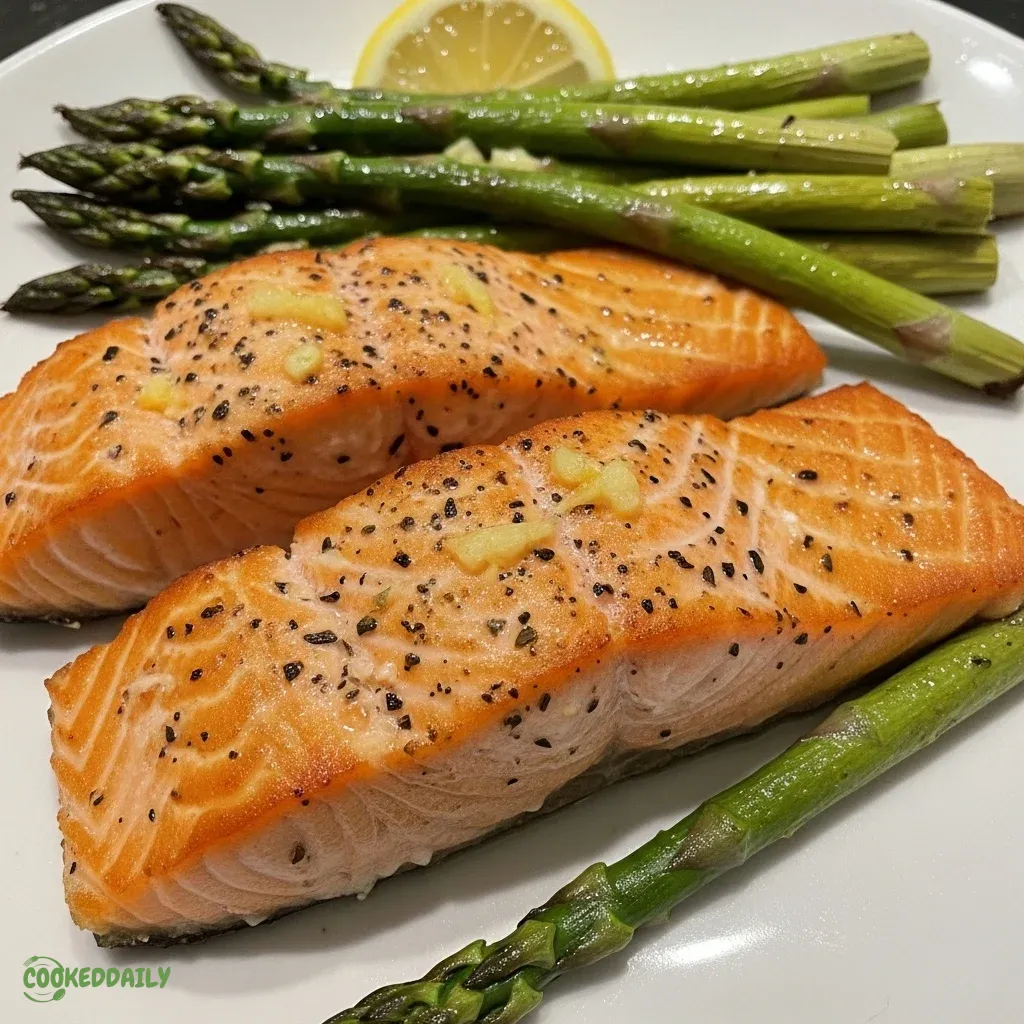
While this is a complete meal on its own, you might want to bulk it up if you’ve had an intense workout. A side of cauliflower rice sautéed with garlic is a classic pairing that stays within the Paleo framework. It soaks up the extra lemon-turmeric juices perfectly.
You could also serve this Paleo Low Inflammation Dinner alongside a simple arugula salad tossed in olive oil and apple cider vinegar. The peppery bite of arugula complements the richness of the salmon. For those who need more carbohydrates, roasted sweet potatoes are an excellent anti-inflammatory source of energy.
Just slice them thinly so they cook at the same rate as the fish, or roast them on a separate tray beforehand. Keeping the sides simple ensures you don’t lose the efficiency that makes this Paleo Low Inflammation Dinner so valuable.
If you’re interested in rounding out your meal, consider pairing it with Paleo Buddha Bowls. These bowls can bulk up your dinner while maintaining the delicious, healthy focus of your Paleo Low Inflammation Dinner.
FAQs
Is this recipe suitable for a Keto diet?
Yes, this Paleo Low Inflammation Dinner is naturally low in carbohydrates and high in healthy fats, making it perfect for Keto. The only carbs come from the fiber in the asparagus, which has a very low glycemic impact.
Can I use frozen salmon for this meal?
Absolutely. However, you must thaw the salmon completely in the refrigerator overnight before cooking. If the fish is still icy in the middle, it will release too much water on the pan, ruining the texture of the Paleo Low Inflammation Dinner.
Why do you use turmeric in the dressing?
Turmeric contains curcumin, which is a powerful anti-inflammatory compound. Combining it with black pepper and healthy fats (like avocado oil) increases its absorption by up to 2,000%. It is a functional ingredient that makes this Paleo Low Inflammation Dinner more effective at reducing systemic inflammation.
A balanced diet focusing on anti-inflammatory foods, such as those found in a Paleo Low Inflammation Dinner, can significantly benefit overall health. Incorporating nutrient-dense ingredients like wild-caught fish and fresh vegetables supports bodily functions, as discussed in this article on Nutrition.
Nutrition Information (per serving)
This summary provides the macronutrient breakdown for one serving of the Paleo Low Inflammation Dinner. These values are estimates based on standard ingredient sizes.
| Metric | Amount |
|---|---|
| Calories | 385 kcal |
| Protein | 34g |
| Total Fat | 26g |
| Net Carbohydrates | 4g |
| Fiber | 3g |
By choosing this Paleo Low Inflammation Dinner, you are prioritizing your health without sacrificing your evening. It is a direct, efficient, and delicious way to fuel a busy lifestyle. Minimal mess, maximum flavor, and zero inflammation—that is how a modern dinner should be.
Print
Paleo Low Inflammation Dinner
- Total Time: 25 mins
- Yield: 2 servings 1x
- Diet: Paleo
Description
This Paleo Low Inflammation Dinner focuses on high-quality proteins and antioxidant-rich vegetables to support your body while keeping your schedule intact, featuring wild-caught salmon and vibrant greens, prepared on a single sheet pan in less than thirty minutes.
Ingredients
2 fillets 6 oz Wild-Caught Salmo
1 bunch Fresh Asparagus Spears
2 tablespoons Avocado Oil
1 tablespoon Fresh Lemon Juice
1/2 teaspoon Ground Turmeric
1/2 teaspoon Garlic Powder
Sea Salt & Black Pepper to taste
Instructions
- Preheat your oven to 400°F (200°C). Line a large rimmed baking sheet with parchment paper
- Snap the woody ends off the asparagus, place on the baking sheet, drizzle with 1 tablespoon of avocado oil, sprinkle with sea salt, and toss to coat evenly
- In a small bowl, whisk together the remaining tablespoon of avocado oil, lemon juice, turmeric, garlic powder, and black pepper for the dressing
- Move the asparagus to the sides of the pan and place the salmon fillets skin-side down in the center. Brush the turmeric-lemon mixture over the top of the fish
- Bake in the oven for 12 to 15 minutes until the salmon is opaque and flakes easily, and the asparagus is tender-crisp with slight browning
- Remove from the oven and squeeze fresh lemon juice over the entire tray before serving
Notes
If using thicker salmon fillets, let them sit at room temperature for 10 minutes before cooking.
To avoid mushy vegetables, give them space on the pan to ensure they roast properly.
- Prep Time: 10 mins
- Cook Time: 15 mins
- Category: Dinner
- Method: Baking
- Cuisine: American
Nutrition
- Serving Size: 1 plate
- Calories: 385 kcal
- Sugar: 0 g
- Sodium: 150 mg
- Fat: 26 g
- Saturated Fat: 3 g
- Unsaturated Fat: 18 g
- Trans Fat: 0 g
- Carbohydrates: 4 g
- Fiber: 3 g
- Protein: 34 g
- Cholesterol: 70 mg