

Transitioning to a restorative diet does not mean you have to sacrifice the bold, savory experiences that define high-end cuisine. My Paleo Autoimmune Meat Recipes focus on the essential synergy between high-quality proteins and aromatic herbs to create a culinary masterpiece. You will discover how a perfect sear and the right healthy fats create an incredible depth of flavor on your plate.
Forget about the limitations; focus on the richness we can achieve with salt, acid, and heat. These Paleo Autoimmune Meat Recipes ensure your body heals while your palate celebrates every single bite. Let’s elevate your kitchen standards with techniques that transform simple cuts of meat into gourmet experiences that everyone will enjoy.
Why You’ll Love This Paleo Autoimmune Meat Recipes Guide
- Unmatched Flavor Profiles: We utilize fresh herbs and high-quality fats to ensure every dish tastes like it came from a professional kitchen.
- Optimal Nutrient Density: These Paleo Autoimmune Meat Recipes prioritize grass-fed and pasture-raised proteins to support your body’s healing process.
- Chef-Tested Techniques: I show you how to master the Maillard reaction without using inflammatory seeds or nightshade spices.
- Total Ingredient Transparency: You gain full control over what enters your body, eliminating hidden additives and processed sugars.
Ingredients You’ll Need
To create the best Paleo Autoimmune Meat Recipes, you must start with the highest quality ingredients. As a chef, I always say that a dish is only as good as its components. For these recipes, sourcing grass-fed beef, heritage pork, or pasture-raised lamb is non-negotiable for both flavor and health.
| Category | Ingredient | Chef’s Note |
|---|---|---|
| Protein | Grass-Fed Ribeye or Top Sirloin | Look for deep red color and clear marbling for the best texture. |
| Healthy Fat | Avocado Oil or Extra Virgin Olive Oil | Avocado oil is perfect for high-heat searing due to its high smoke point. |
| Aromatics | Fresh Garlic and Ginger | Crush the garlic to release the essential oils before adding to the pan. |
| Herbs | Fresh Rosemary, Thyme, and Oregano | Fresh herbs provide a brightness that dried versions simply cannot match. |
| Seasoning | High-Quality Sea Salt | Salt enhances the natural umami flavors of the meat. |
| Acid | Apple Cider Vinegar or Fresh Lemon Juice | A splash of acid at the end of cooking balances the richness of the fat. |
Substitutions & Variations
Adaptability is the hallmark of a great cook. While these Paleo Autoimmune Meat Recipes are designed for maximum flavor and health, you can certainly pivot based on what is available at your local butcher or what you have in your pantry.
Note: This video is for demonstration purposes and may use a slightly different method.
- Protein Swaps: If you cannot find high-quality beef, bison is an incredible alternative with a slightly sweeter, leaner profile. Lamb chops also work beautifully with the garlic and rosemary infusion mentioned in our Paleo Autoimmune Meat Recipes.
- Fat Alternatives: While avocado oil is my top choice for searing, duck fat or high-quality lard provides an earthy, rustic flavor that elevates pork dishes significantly.
- Acid Variations: Instead of lemon juice, try using coconut aminos. It adds a salty, slightly sweet depth that mimics soy sauce without the soy or gluten, making it a staple for Paleo Autoimmune Meat Recipes.
- Herb Profiles: If you want a more “bright” flavor, swap the rosemary for fresh cilantro and lime juice at the very end of the cooking process.
Adaptability is the hallmark of a great cook. While these Paleo Autoimmune Meat Recipes are designed for maximum flavor and health, you can certainly pivot based on what is available at your local butcher or what you have in your pantry. Consider trying our Paleo Keto Granola for a nutritious breakfast option.
Step-by-Step Instructions
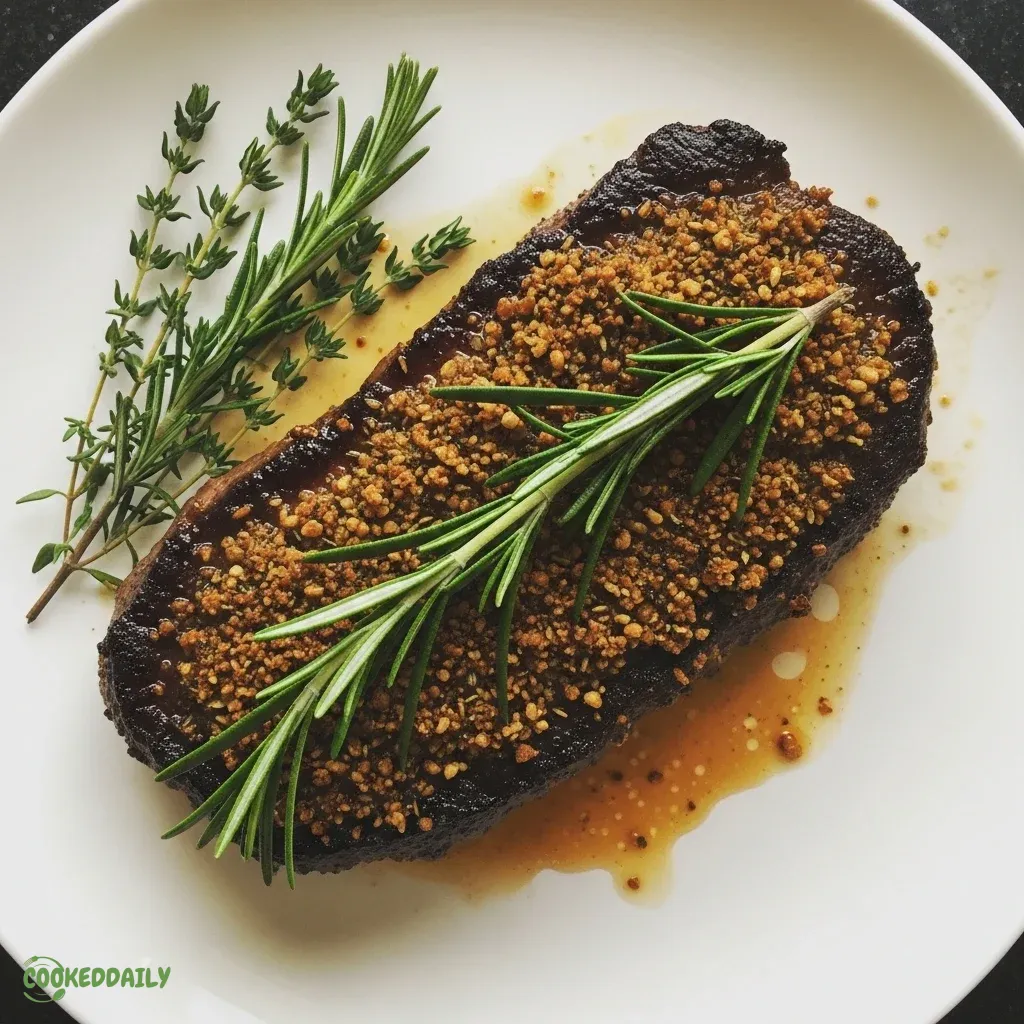
Success in the kitchen comes down to timing and temperature. Follow these steps to master one of the most popular Paleo Autoimmune Meat Recipes: the Perfect Herb-Crusted Pan-Seared Steak.
- Temper the Meat: Remove your steak from the refrigerator at least 30 to 45 minutes before cooking. Bringing the meat to room temperature ensures an even cook and a more tender final result.
- Prepare the Crust: Pat the meat completely dry with paper towels. Moisture is the enemy of a good sear. Season generously with sea salt on all sides, including the edges.
- Heat the Pan: Place a cast-iron skillet over medium-high heat. Add two tablespoons of avocado oil. Wait until the oil is shimmering and just starting to produce a faint wisp of smoke.
- The Initial Sear: Carefully place the meat in the pan. Press down slightly to ensure full contact. Sear for 3-4 minutes without moving it until a deep, golden-brown crust forms.
- The Flip and Baste: Flip the meat. Immediately add three crushed garlic cloves and several sprigs of fresh rosemary and thyme to the pan. If your diet allows, add a tablespoon of coconut oil to help baste.
- Aromatic Infusion: Tilt the pan slightly and use a large spoon to pour the flavored oil over the meat repeatedly for the final 2 minutes of cooking. This is a classic chef technique for Paleo Autoimmune Meat Recipes that adds incredible depth.
- Check Temperature: Use an instant-read thermometer. For medium-rare, pull the meat when it hits 130°F (54°C). The temperature will rise slightly as it rests.
- The Rest: Transfer the meat to a cutting board and let it rest for at least 10 minutes. This allows the juices to redistribute throughout the fibers, ensuring a succulent bite.
Pro Tips for Success
To truly master Paleo Autoimmune Meat Recipes, you need to think like a professional. First, never overcrowd your pan. If you put too much meat in at once, the temperature of the skillet drops, and the meat will steam rather than sear. Work in batches if necessary to maintain that high-heat environment.
Second, prioritize the “Chef’s Tip” for internal temperature. Do not rely on “poke tests” or timing alone. Every stove and every cut of meat is different.
A digital thermometer is your best friend when preparing Paleo Autoimmune Meat Recipes. It guarantees consistency every single time you cook.
Third, use “finishing salt.” After slicing your meat, sprinkle a tiny bit of flaky sea salt over the top. It provides a delightful crunch and a final pop of flavor that highlights the quality of the protein. This small step separates home cooks from professional chefs.
To truly master Paleo Autoimmune Meat Recipes, you need to think like a professional. First, never overcrowd your pan. If you put too much meat in at once, the temperature of the skillet drops, and the meat will steam rather than sear. For a great main course, check out our Paleo Low-Carb Lamb Stew recipe.
Storage & Reheating Tips
When you prepare Paleo Autoimmune Meat Recipes in bulk, proper storage is vital to maintain the texture. Store your cooked meat in airtight glass containers in the refrigerator for up to four days. Glass is preferable to plastic as it doesn’t retain odors and is safer for reheating.
For reheating, avoid the microwave at all costs. It toughens the proteins and ruins the delicate crust we worked so hard to create. Instead, place the meat in a skillet over low heat with a splash of bone broth or water.
Cover with a lid for 2-3 minutes until warmed through. This “gentle heat” method preserves the moisture and flavor of your Paleo Autoimmune Meat Recipes perfectly.
What to Serve With This Recipe
A great meal is all about balance. Since Paleo Autoimmune Meat Recipes are rich and savory, you should pair them with sides that offer brightness and different textures. A crisp arugula salad with a lemon-olive oil dressing provides a necessary acidic counterpoint to the fat of the meat.
- Roasted Root Vegetables: Carrots, parsnips, and sweet potatoes roasted with avocado oil and rosemary complement the earthy notes of the beef.
- Cauliflower Mash: For a comforting, starch-free side, blend steamed cauliflower with garlic and a touch of olive oil. It soaks up the juices from your Paleo Autoimmune Meat Recipes beautifully.
- Sautéed Greens: Kale or chard sautéed with garlic and apple cider vinegar adds a hit of bitterness that cuts through the richness of heritage pork or lamb.
A great meal is all about balance. Since Paleo Autoimmune Meat Recipes are rich and savory, you should pair them with sides that offer brightness and different textures. To complement your dishes, consider preparing Paleo Buddha Bowls for added nutrients and flavor.
FAQs
Can I use dried herbs instead of fresh?
While you can use dried herbs, they lack the volatile oils found in fresh sprigs. If you must use dried, use only one-third of the amount called for in these Paleo Autoimmune Meat Recipes, as dried herbs are more concentrated but less vibrant.
Is black pepper allowed in these Paleo Autoimmune Meat Recipes?
Strictly speaking, the Autoimmune Protocol (AIP) excludes black pepper because it is a fruit/berry from a vine and can be irritating to the gut. These Paleo Autoimmune Meat Recipes rely on garlic, ginger, and fresh herbs to provide flavor without the need for pepper.
What is the best cut of meat for a beginner?
I recommend starting with a ribeye or a thick pork chop. These cuts have enough fat to remain forgiving during the cooking process. As you become more comfortable with Paleo Autoimmune Meat Recipes, you can experiment with leaner cuts like tenderloin or tougher cuts like brisket that require slow-cooking techniques.
Paleo Autoimmune Meat Recipes emphasize the importance of high-quality proteins and fresh ingredients while eliminating common allergens and inflammatory foods. This diet aims to support overall health and well-being, drawing from principles that focus on natural, unprocessed foods, similar to the concepts discussed in Paleo diet.
Nutrition Information (per serving)
The nutritional profile of these Paleo Autoimmune Meat Recipes is designed to provide high-quality fats and proteins while keeping inflammation low. Below is an estimate for a 6-ounce serving of herb-crusted beef prepared with avocado oil.
| Metric | Amount |
|---|---|
| Calories | 450 kcal |
| Total Fat | 32g |
| Saturated Fat | 12g |
| Cholesterol | 110mg |
| Sodium | 480mg |
| Total Carbohydrates | 2g |
| Dietary Fiber | 1g |
| Sugars | 0g |
| Protein | 38g |
By following these Paleo Autoimmune Meat Recipes, you are choosing a path of culinary excellence and physical well-being. Remember, the secret is in the sear and the quality of your ingredients. Enjoy the process of cooking and the incredible flavors that come with a clean, nutrient-dense diet.
Print
Paleo Autoimmune Meat Recipes
- Total Time: 55 mins
- Yield: 4 servings 1x
- Diet: Gluten Free
Description
This guide focuses on creating flavorful Paleo Autoimmune Meat Recipes that prioritize high-quality proteins and aromatic herbs, enabling healing while delivering gourmet experiences.
Ingredients
1 lb Grass-Fed Ribeye or Top Sirloi
2 tbsp Avocado Oil
3 cloves Fresh Garlic
3 sprigs Fresh Rosemary
3 sprigs Fresh Thyme
1 tsp High-Quality Sea Salt
2 tbsp Apple Cider Vinegar
Instructions
- Remove the steak from the refrigerator and let it sit at room temperature for 30-45 minutes
- Pat the steak dry and season generously with sea salt on all sides
- Heat a cast-iron skillet over medium-high heat and add avocado oil
- When the oil is shimmering, place the steak in the pan and sear for 3-4 minutes without moving it
- Flip the steak, add crushed garlic and fresh herbs to the pan, and optionally add coconut oil to baste
- Tilt the pan and pour flavored oil over the steak for 2 minutes
- Check the internal temperature with a thermometer; remove when it reaches 130°F for medium-rare
- Let the steak rest on a cutting board for at least 10 minutes before slicing
Notes
Always use a digital thermometer for accuracy in cooking meat.
Resting the meat is crucial to retain juices.
- Prep Time: 45 mins
- Cook Time: 10 mins
- Category: Dinner
- Method: Pan-Searing
- Cuisine: American
Nutrition
- Serving Size: 6 ounces of meat
- Calories: 450 kcal
- Sugar: 0g
- Sodium: 480mg
- Fat: 32g
- Saturated Fat: 12g
- Unsaturated Fat: 20g
- Trans Fat: 0g
- Carbohydrates: 2g
- Fiber: 1g
- Protein: 38g
- Cholesterol: 110mg