

When you master the art of Vegan Roasted Vegetables, you unlock a world of concentrated flavor and incredible textures. Many home cooks settle for limp, soggy greens, but a professional chef knows that high heat and proper technique create magic. The natural sugars in the vegetables caramelize, creating a deep sweetness that contrasts perfectly with savory herbs and premium oils.
This dish represents the ultimate marriage of health and indulgence. Whether you serve them as a vibrant side or the star of a grain bowl, these vegetables will change your perspective on plant-based cooking. I am here to show you exactly how to achieve that perfect char and tender interior every single time.
Why You Will Love These Vegan Roasted Vegetables
- Unmatched Texture: High-heat roasting ensures a crisp exterior and a melt-in-your-mouth interior.
- Maximum Flavor: Caramelization intensifies the natural sweetness of every single vegetable used.
- Nutrient Dense: This recipe utilizes various colors and vitamins, providing a healthy boost without inflammatory oils.
- Chef-Level Simplicity: You only need a few high-quality ingredients and a hot oven to achieve restaurant-quality results.
- Meal Prep Friendly: These Vegan Roasted Vegetables stay delicious for days, making healthy eating effortless throughout the week.
Ingredients You Will Need
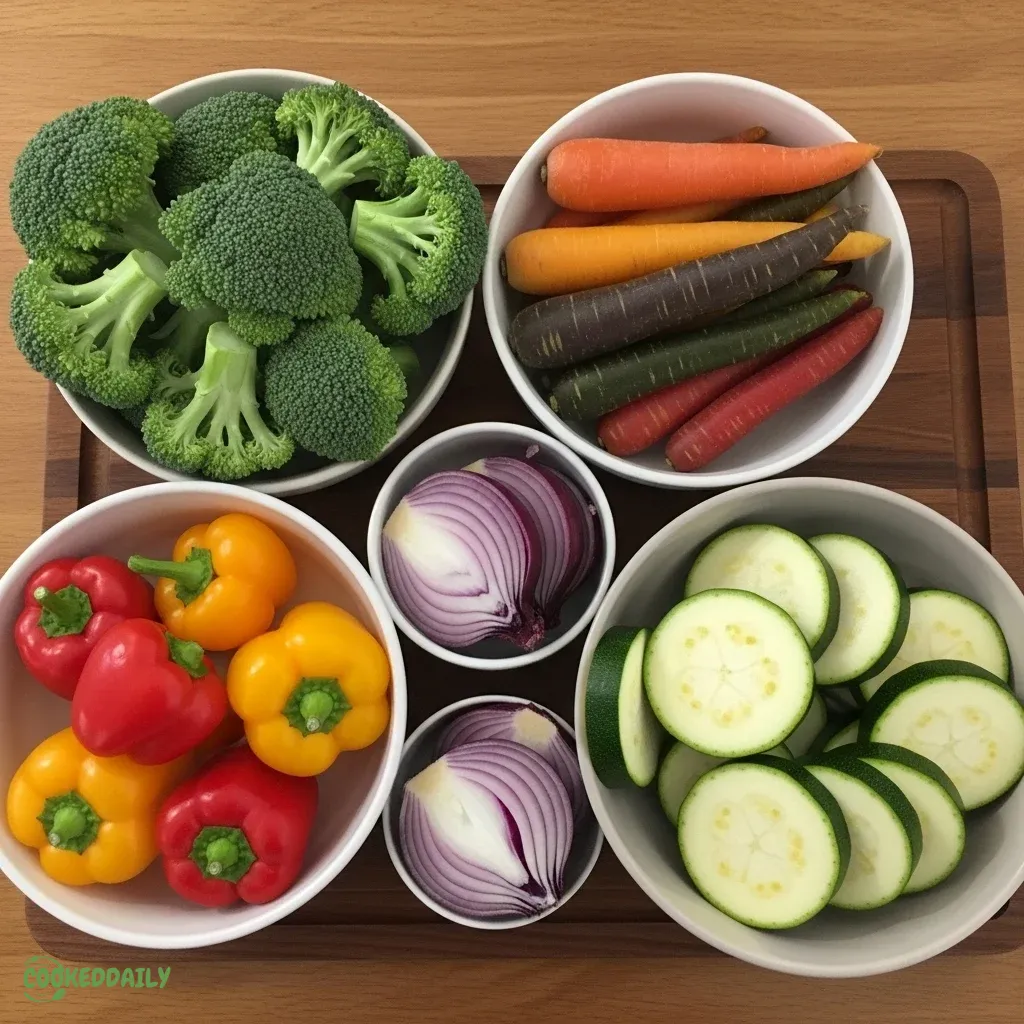
The secret to extraordinary Vegan Roasted Vegetables lies in the quality of your produce and your fat source. Never compromise on your oil; a high-quality Extra Virgin Olive Oil or Avocado Oil provides a clean flavor and a high smoke point.
| Ingredient | Chef’s Recommendation |
|---|---|
| Broccoli Florets | Cut into uniform sizes to ensure even cooking and crispy edges. |
| Carrots | Choose organic rainbow carrots for visual appeal and superior sweetness. |
| Red Onion | Thick wedges provide a jammy texture and savory depth. |
| Bell Peppers | Red, yellow, or orange varieties offer the highest vitamin C and sweetness. |
| Zucchini | Slice into thick half-moons so they don’t turn to mush in the high heat. |
| Extra Virgin Olive Oil | Avoid seed oils; use a robust, cold-pressed olive oil for flavor. |
| Garlic Cloves | Keep the skins on to roast them whole, creating a sweet garlic paste. |
| Dried Oregano & Smoked Paprika | Adds an earthy, smoky undertone that mimics a wood-fired oven. |
| Sea Salt & Black Pepper | Freshly cracked pepper and mineral-rich sea salt are non-negotiable. |
Substitutions & Variations
Note: This video is for demonstration purposes and may use a slightly different method.
As a chef, I encourage you to use what is in season. The beauty of Vegan Roasted Vegetables is their adaptability. If it is autumn, swap the zucchini for cubed butternut squash or sweet potatoes. During the spring, consider adding thick asparagus spears or halved radishes for a peppery bite.
If you prefer a touch of sweetness to balance the salt, drizzle a tablespoon of Maple Syrup over the tray before roasting. Avoid refined sugar at all costs, as it burns too quickly and lacks the complexity of maple.
For those who enjoy heat, a pinch of crushed red pepper flakes adds a beautiful kick. You can also vary the fat source; Coconut Oil works beautifully if you are roasting root vegetables like beets or parsnips, adding a subtle tropical aroma.
Always remember that the density of the vegetable dictates the cooking time. If you use harder root vegetables alongside softer ones like peppers, simply cut the root vegetables smaller. This ensures everything finishes at the exact same moment. This versatility makes Vegan Roasted Vegetables the most reliable recipe in any chef’s repertoire.
As you explore seasonal variations in your Vegan Roasted Vegetables, consider a hearty Vegan Lentil Soup for a complementary dish. This soup not only pairs beautifully but also enhances your meal with its rich flavors and textures. Vegan Lentil Soup
Step-by-Step Instructions
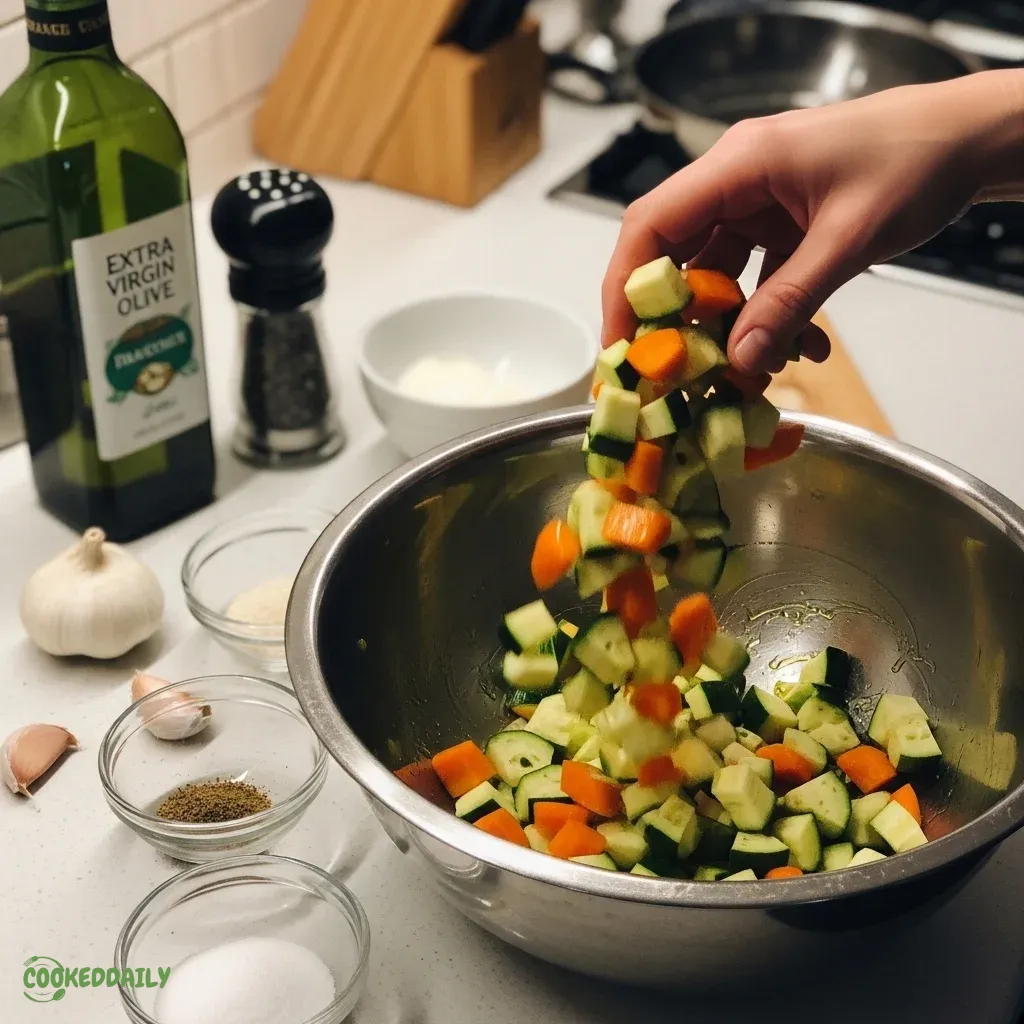
- Preheat the Oven: Crank your oven to 425°F (220°C). A hot oven is essential for the Maillard reaction, which creates the browned, flavorful crust on your Vegan Roasted Vegetables.
- Prepare the Vegetables: Wash and thoroughly dry all your produce. Excess moisture is the enemy of a good roast; it creates steam, which leads to sogginess. Cut all vegetables into uniform pieces.
- The Seasoning Process: In a large mixing bowl, toss your vegetables with Extra Virgin Olive Oil. Do not be shy with the oil; it conducts heat and ensures even browning. Add your sea salt, cracked pepper, smoked paprika, and oregano.
- Arrange on the Pan: Spread the vegetables across a large baking sheet. Use two sheets if necessary. Crowding the pan will cause the vegetables to steam rather than roast. Every piece needs its own space.
- Roast to Perfection: Place the tray in the center of the oven. Roast for 20 to 25 minutes. At the halfway mark, use a spatula to toss the vegetables, ensuring every side gets contact with the hot metal surface.
- The Final Char: If you want a bit more color, move the tray to the top rack for the final 3 minutes. Look for browned edges and tender centers.
- Finish with Freshness: Remove from the oven and immediately toss with fresh parsley or a squeeze of lemon juice to brighten the heavy roasted flavors.
Pro Tips for Success
Achieving the perfect Vegan Roasted Vegetables requires attention to detail. First, always use a rimmed baking sheet. This helps trap the oil and juices while allowing air to circulate.
I always recommend using a heavy-duty stainless steel or aluminum pan. Thin pans warp under high heat, leading to uneven cooking.
My ultimate chef’s tip: The Secret of the Preheated Pan. Place your empty baking sheet in the oven while it preheats. When you toss your cold, oiled vegetables onto the screaming hot pan, they start searing immediately. This creates an incredible crust that you simply cannot get starting from a cold tray.
Furthermore, pay attention to “The Crowding Factor.” If you think you have enough space, add a second tray anyway. Air circulation is what creates the “roast” flavor. If the pieces touch too much, they release water and sit in a pool of steam.
For the best Vegan Roasted Vegetables, give them room to breathe. Finally, do not peel your carrots or zucchini if they are organic. The skins contain concentrated nutrients and provide a rustic, professional aesthetic to the final plate.
To further elevate your roasting experience, be sure to check out my recipe for Vegan Vegetable Minestrone, which showcases how to perfectly utilize leftover roasted vegetables. This wholesome soup will not only comfort you on a chilly day but also make excellent use of any roasted veggies. Vegan Vegetable Minestrone
Storage & Reheating Tips
You can store your leftover Vegan Roasted Vegetables in an airtight glass container in the refrigerator for up to four days. As they sit, the flavors will continue to meld and deepen. However, the texture will soften slightly over time.
To reheat, avoid the microwave at all costs. Microwaving will turn your beautiful vegetables into a mushy mess. Instead, use an Air Fryer at 350°F (175°C) for about 5 minutes to restore the crispiness.
Alternatively, spread them back on a baking sheet and pop them into a 400°F oven for 8 to 10 minutes. This high-heat reheating method re-activates the oils and restores that “just cooked” texture. These vegetables are also fantastic served cold in a Mediterranean-style pasta salad or tucked into a wrap with some creamy hummus.
What to Serve With This Recipe
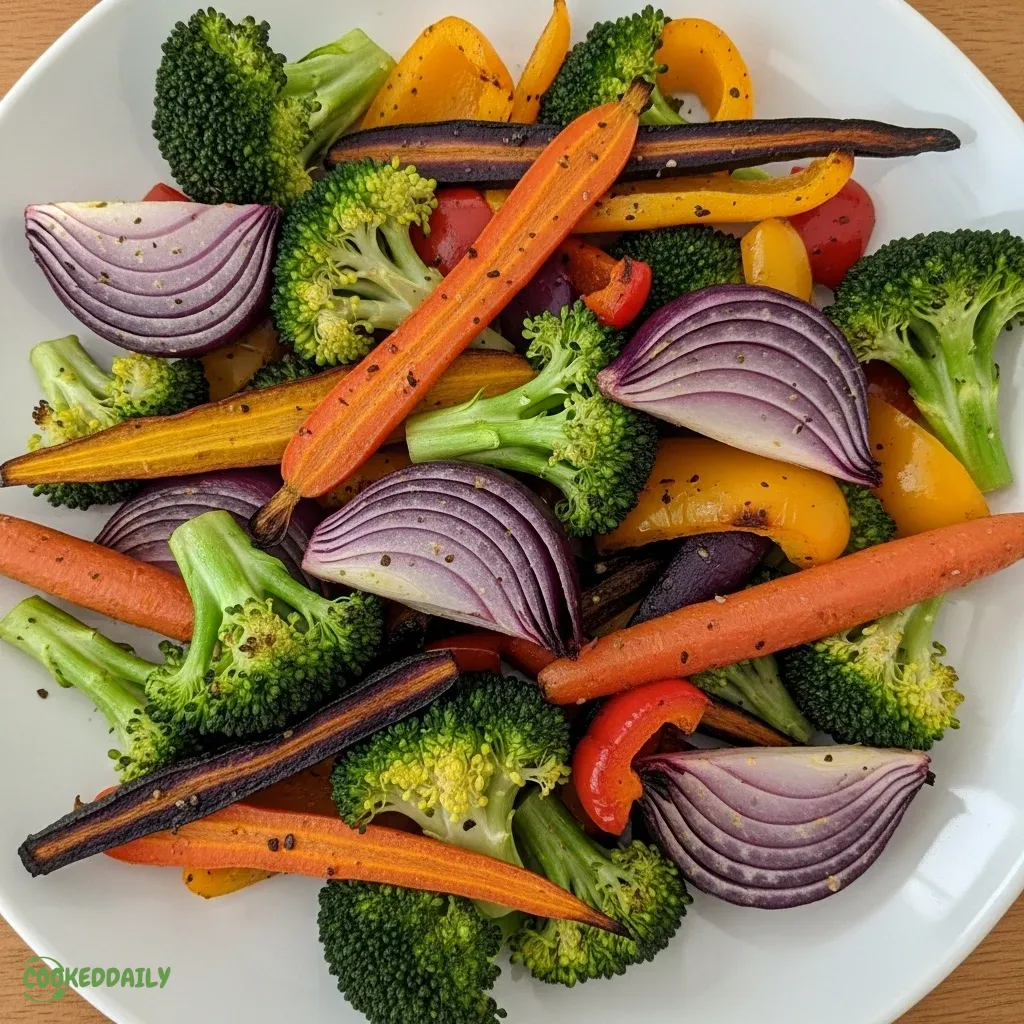
These Vegan Roasted Vegetables are incredibly versatile. I love serving them over a bed of fluffy quinoa or wild rice to create a complete, protein-rich meal. The earthy grains soak up any leftover herb-infused oil from the roasting pan.
For a more decadent presentation, pair them with a creamy tahini dressing or a dollop of vegan pesto. They also work perfectly as a side dish for grilled tempeh or seared tofu steaks.
If you are hosting a dinner party, arrange the Vegan Roasted Vegetables on a large platter and top them with toasted pine nuts and fresh pomegranate seeds for a burst of color and acidity. They provide a beautiful, rustic element to any table and ensure that even the meat-eaters at the party are satisfied with the depth of flavor.
If you’re looking to create a more complete meal, consider incorporating these Vegan Roasted Vegetables into a flavorful Vegan Chickpea Wrap. This easy recipe provides a nutritious and satisfying wrap that’s perfect for lunch or dinner. Vegan Chickpea Wrap
FAQs
Can I use frozen vegetables for this recipe?
While you can roast frozen vegetables, the results will never be as crisp as fresh Vegan Roasted Vegetables. Frozen produce contains more internal moisture, which often leads to a softer texture. If you must use frozen, do not thaw them first; toss them in oil and spices while frozen and roast at a slightly higher temperature to evaporate the moisture quickly.
How do I prevent the garlic from burning?
Garlic burns much faster than hardy vegetables like carrots. To prevent bitterness, keep the garlic cloves in their papery skins while roasting. This effectively steams the garlic inside the skin, turning it into a sweet, spreadable paste. Once the Vegan Roasted Vegetables are finished, you can easily squeeze the roasted garlic out of the skins and toss it with the other ingredients.
What is the best oil for roasting at high temperatures?
I always recommend Avocado Oil or Extra Virgin Olive Oil. Avocado oil has a very high smoke point (around 520°F), making it extremely safe and stable for roasting. High-quality olive oil is also excellent for the 425°F range and provides a superior flavor profile. Avoid vegetable, canola, or soybean oils, as these are highly processed and inflammatory.
Vegan Roasted Vegetables are not only delicious but also an embodiment of healthy cooking methods that emphasize flavor and nutrition. Techniques such as high-heat roasting can transform ordinary vegetables into caramelized, savory dishes that are a staple in plant-based cuisine. Explore more about this cooking technique and its benefits in the article on Roasting.
Nutrition Information (per serving)
Understanding the nutritional profile of your Vegan Roasted Vegetables helps you appreciate just how fuel-efficient this meal is for your body. This dish is low in calories but exceptionally high in fiber and essential phytonutrients.
| Metric | Amount Per Serving |
|---|---|
| Calories | 145 kcal |
| Total Fat | 9g |
| Saturated Fat | 1.5g |
| Carbohydrates | 14g |
| Dietary Fiber | 5g |
| Sugars | 4g (Natural) |
| Protein | 3g |
| Sodium | 210mg |
By following these professional techniques, you ensure that your Vegan Roasted Vegetables are never boring. You have the power to transform humble garden produce into a culinary masterpiece through the simple application of heat, quality fat, and patience. Enjoy the process and savor every nutrient-dense bite!
Print
Vegan Roasted Vegetables
- Total Time: 45 mins
- Yield: 4 servings 1x
- Diet: Gluten Free
Description
Vegan Roasted Vegetables offer unmatched texture with a crisp exterior and melt-in-your-mouth interior, maximizing flavor through caramelization while being nutrient dense and meal prep friendly.
Ingredients
1 cup Broccoli Florets
1 cup Carrots
1 cup Red Onio
1 cup Bell Peppers
1 cup Zucchini
3 tbsp Extra Virgin Olive Oil
4 Garlic Cloves
1 tsp Dried Oregano
1 tsp Smoked Paprika
1 tsp Sea Salt
1/2 tsp Black Pepper
Instructions
- Preheat the oven to 425°F (220°C)
- Wash and dry all vegetables; cut into uniform pieces
- Toss vegetables with Extra Virgin Olive Oil, sea salt, cracked pepper, smoked paprika, and oregano in a large mixing bowl
- Spread the vegetables on a large baking sheet, ensuring they are not overcrowded
- Roast for 20 to 25 minutes, tossing halfway through
- For additional color, move to the top rack for the last 3 minutes
- Remove from the oven and toss with fresh parsley or a squeeze of lemon juice before serving
Notes
Use a high-quality oil for best results.
Consider seasonal vegetable substitutions for variety.
Store leftovers in an airtight container for up to 4 days.
- Prep Time: 20 mins
- Cook Time: 25 mins
- Category: Dinner
- Method: Baking
- Cuisine: American
Nutrition
- Serving Size: 1 bowl
- Calories: 145 kcal
- Sugar: 4g
- Sodium: 210mg
- Fat: 9g
- Saturated Fat: 1.5g
- Unsaturated Fat: 7.5g
- Trans Fat: 0g
- Carbohydrates: 14g
- Fiber: 5g
- Protein: 3g
- Cholesterol: 0mg