

There is something truly transformative about the sizzle of fresh fish hitting a hot pan, and this Roasted Salmon Skillet delivers that culinary magic in under twenty minutes. As a chef, I believe that high-quality protein deserves a cooking method that preserves its integrity while enhancing its natural richness. We are combining the high-heat sear of a skillet with the gentle, even finish of an oven roast to achieve a buttery, flake-apart texture.
This dish avoids the blandness of typical healthy meals by leaning into aromatic garlic, bright citrus, and fresh herbs. You will experience a crispy skin that contrasts beautifully with a succulent, medium-rare center. This Roasted Salmon Skillet is not just a meal; it is a testament to how simple techniques create extraordinary flavor.
Why You’ll Love This Roasted Salmon Skillet
- Superior Texture: The combination of searing and roasting ensures a golden-brown crust and a moist, tender interior.
- Nutrient-Dense: Packed with Omega-3 fatty acids and high-quality protein, this Roasted Salmon Skillet fuels your body without inflammatory oils.
- One-Pan Simplicity: Clean-up is effortless because everything happens in a single heavy-duty skillet.
- Professional Results: You will master the “chef-style” finish that makes home cooking taste like a five-star bistro.
Ingredients You’ll Need
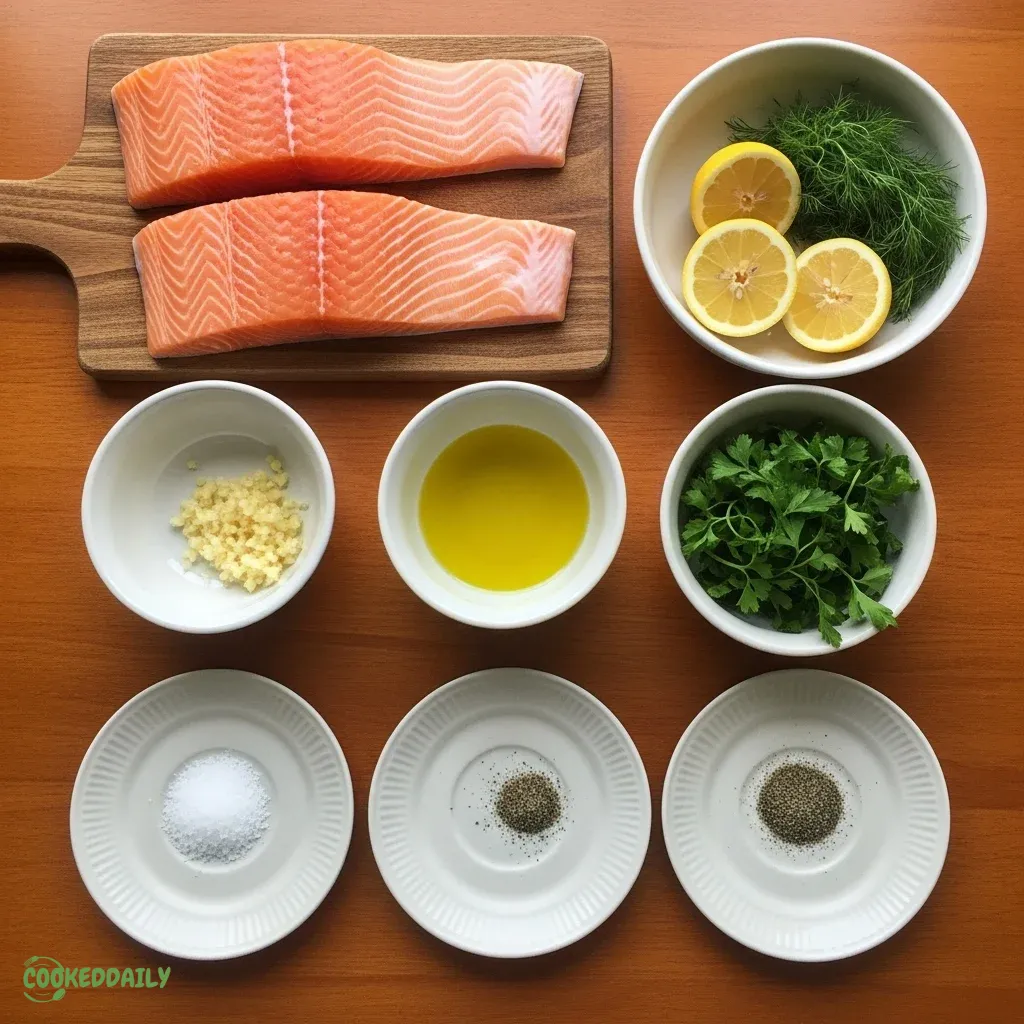
To achieve the best results with your Roasted Salmon Skillet, you must prioritize the quality of your ingredients. I always recommend wild-caught salmon, such as King or Sockeye, for the most robust flavor and cleanest nutritional profile.
- Salmon Fillets: Choose 6-ounce portions with the skin on to protect the delicate flesh during the roasting process.
- Avocado Oil: This oil has a high smoke point, making it perfect for the initial sear without oxidizing or creating off-flavors.
- Fresh Garlic: Smash and mince four large cloves to create a deeply aromatic base for the pan juices.
- Lemon: Use both the zest for intensity and the juice for bright acidity to cut through the salmon’s fat.
- Fresh Dill and Parsley: These herbs add a grassy, fresh finish that elevates the Roasted Salmon Skillet.
- Sea Salt and Cracked Black Pepper: Essential for building the foundation of flavor.
- Ghee or Grass-Fed Butter (Optional): For those who tolerate dairy, a small knob of ghee adds a nutty, toasted dimension to the final basting.
Substitutions & Variations
Note: This video is for demonstration purposes and may use a slightly different method.
While the classic Roasted Salmon Skillet is perfection on its own, a chef knows how to adapt based on what the market offers. If you cannot find high-quality salmon, steelhead trout is an exceptional alternative; it offers a similar fat content and vibrant color. For those avoiding all dairy, stick strictly to avocado oil or high-quality extra virgin olive oil (though be careful with the heat levels of olive oil).
If you want to add a hint of sweetness to the glaze without using refined sugar, a teaspoon of raw honey or maple syrup mixed with the lemon juice works beautifully. To pivot the flavor profile toward the Mediterranean, swap the dill for oregano and add a handful of cherry tomatoes and Kalamata olives to the Roasted Salmon Skillet before it hits the oven.
For a spicy kick, a pinch of red pepper flakes or a dash of smoked paprika can be rubbed onto the fillets before searing. Always remember that the goal is to complement the fish, not mask its natural excellence.
For those looking to extend their salmon repertoire, consider trying a Grilled Salmon Bowl for a fresh twist on flavors. This dish offers a delightful smoky flavor and a variety of toppings that elevate your meal preparation; check it out in our recipe: Grilled Salmon Bowl.
Step-by-Step Instructions
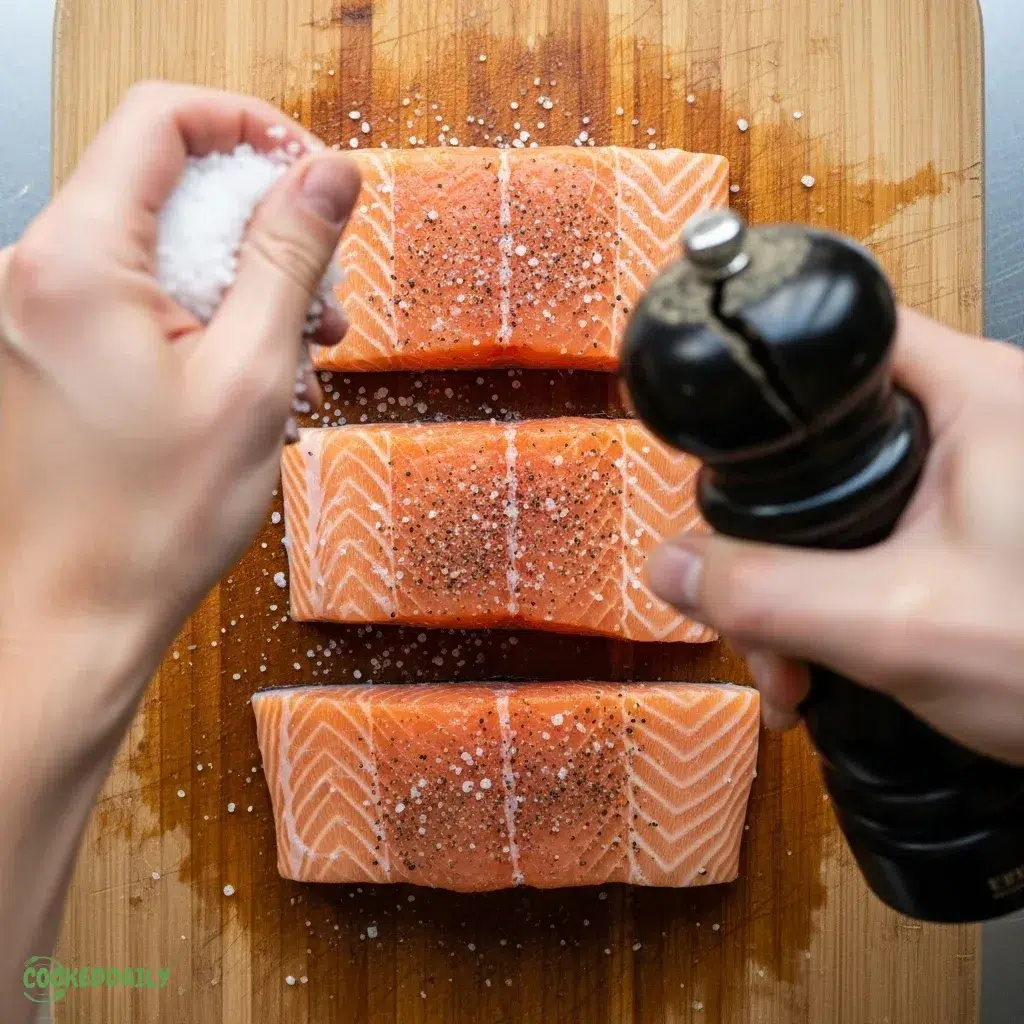
- Temper the Fish: Remove your salmon from the refrigerator about 15 minutes before cooking. Bringing the fish closer to room temperature ensures even cooking throughout the Roasted Salmon Skillet process. Pat the skin extremely dry with a paper towel; moisture is the enemy of a good sear.
- Season Aggressively: Season the fillets on all sides with sea salt and freshly cracked black pepper. Do not be afraid of the seasoning; much of it will stay in the pan to flavor the pan sauce.
- The Initial Sear: Heat a large cast-iron or oven-safe skillet over medium-high heat. Add two tablespoons of avocado oil. Once the oil shimmers, place the salmon fillets skin-side down. Press down lightly with a spatula for 10 seconds to ensure full contact. Sear for 3-4 minutes until the skin is golden and crispy.
- Aromatic Infusion: Flip the salmon carefully. Toss in your minced garlic and lemon slices. If using ghee, add it now. Let the garlic sizzle for 30 seconds until fragrant, being careful not to let it burn.
- The Oven Finish: Immediately transfer the Roasted Salmon Skillet into a preheated oven at 400°F (200°C). Roast for 5 to 7 minutes, depending on the thickness of your fillets. The internal temperature should reach 125°F for a perfect medium.
- The Final Glaze: Remove the skillet from the oven. Squeeze fresh lemon juice over the top and spoon the pan juices back over the fish. Garnish heavily with fresh dill and parsley before serving.
Pro Tips for Success
To truly master the Roasted Salmon Skillet, you must understand the relationship between heat and protein. Chef’s Tip: Never move the fish once it hits the pan for the initial sear. If you try to flip it and it sticks, the crust hasn’t formed yet. The fish will “release” naturally from the pan once the Maillard reaction has done its work.
Furthermore, always use a cast-iron skillet if possible. Cast iron retains heat more efficiently than stainless steel, providing a more consistent “roasting” environment once the pan enters the oven. If you prefer your salmon slightly more “well-done,” simply extend the oven time by two minutes, but be wary of overcooking.
Salmon continues to cook for a few minutes after being removed from the heat, a process known as carryover cooking. Taking it out just before it looks “finished” is the secret to a juicy Roasted Salmon Skillet.
If you want to enhance your cooking techniques for the Roasted Salmon Skillet, mastering the Spicy Broccoli Skillet can provide valuable insights on how to balance heat and protein. Incorporating a flavorful side dish can elevate your overall meal experience; explore the recipe here: Spicy Broccoli Skillet.
Storage & Reheating Tips
If you happen to have leftovers from your Roasted Salmon Skillet, store them in an airtight glass container in the refrigerator for up to two days. However, salmon is notorious for becoming dry when reheated improperly. To maintain the quality, I recommend eating leftover salmon cold over a crisp salad.
If you must reheat it, do so gently. Place the salmon back in a skillet over low heat with a splash of water or broth and cover it with a lid. This creates a steam-chamber effect that warms the fish without tightening the protein fibers. Avoid the microwave at all costs, as it will turn your beautiful Roasted Salmon Skillet into a rubbery disappointment.
What to Serve With This Recipe
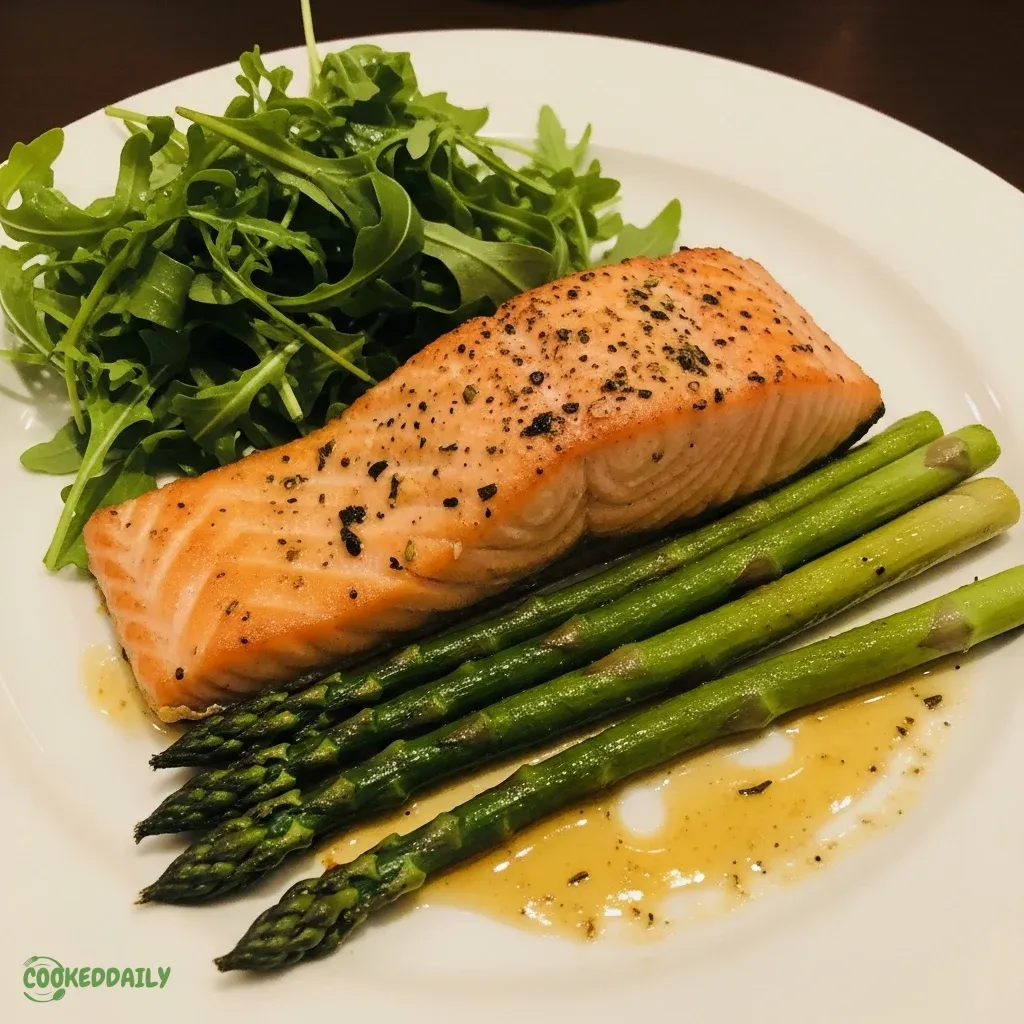
The richness of a Roasted Salmon Skillet calls for sides that offer contrast. I recommend serving this alongside a vibrant arugula salad tossed in a simple lemon-tahini dressing. The bitterness of the greens balances the healthy fats in the fish perfectly.
Alternatively, you can roast some asparagus or broccolini directly in the same oven while the salmon finishes. The earthy tones of roasted green vegetables complement the garlic and lemon notes of the Roasted Salmon Skillet. For a more heart-healthy carbohydrate option, a side of quinoa cooked in vegetable broth or some smashed roasted baby potatoes provides a satisfying texture that soaks up the extra lemon-garlic pan juices.
To complement the rich flavors of the Roasted Salmon Skillet, serving it alongside a dish like Slow Cooker Tuna Bake can create a delightful contrast. This dish pairs wonderfully with a light salad, balancing the meal beautifully; discover more here: Slow Cooker Tuna Bake.
FAQs
Can I make this Roasted Salmon Skillet with frozen salmon?
Yes, you can, but you must thaw it completely and pat it dry. Frozen salmon often releases more moisture, which can hinder the searing process. For the best Roasted Salmon Skillet results, fresh, wild-caught fish is always the gold standard.
Why is my salmon skin not getting crispy?
The most common reason for soggy skin is moisture. If the skin is damp when it hits the oil, it will steam rather than fry. Ensure you pat the skin dry with paper towels and that your oil is shimmering hot before adding the fish to your Roasted Salmon Skillet.
Is it safe to eat salmon that is slightly pink in the middle?
Absolutely. In fact, most chefs prefer salmon cooked to medium-rare or medium. This ensures the fats remain silky and the texture stays tender. A Roasted Salmon Skillet cooked to an internal temperature of 125°F-130°F is considered perfectly safe and provides the best eating experience.
The Roasted Salmon Skillet is a culinary preparation that emphasizes the quality of ingredients and cooking methods for optimal flavor. Techniques like searing and roasting not only enhance taste but also help retain the nutritional benefits of salmon, making it a popular choice for healthy cooking; learn more about this cooking method in this cooking article.
Nutrition Information (per serving)
This Roasted Salmon Skillet is a powerhouse of nutrition, focusing on anti-inflammatory fats and high-quality protein.
| Nutrient | Amount per Serving |
|---|---|
| Calories | 340 kcal |
| Protein | 34g |
| Total Fat | 22g |
| Saturated Fat | 4g |
| Omega-3 Fatty Acids | 2.5g |
| Carbohydrates | 2g |
| Fiber | 0g |
| Sodium | 180mg |
In conclusion, the Roasted Salmon Skillet is a foundational recipe for anyone looking to eat well without sacrificing culinary depth. By using the right fats and mastering the sear-to-roast technique, you transform a simple piece of fish into a gourmet experience. Enjoy the process, respect the ingredients, and savor every bite of this incredible dish.
Print
Roasted Salmon Skillet
- Total Time: 25 mins
- Yield: 4 servings 1x
- Diet: Gluten Free
Description
This Roasted Salmon Skillet features a high-heat sear followed by an oven roast, delivering a buttery, flake-apart texture and topped with aromatic garlic, bright citrus, and fresh herbs, ensuring a crispy skin with a succulent medium-rare center.
Ingredients
1 lb Salmon Fillets (4 portions, skin on)
2 tablespoons Avocado Oil
4 cloves Fresh Garlic, minced
1 Lemon, zested and juiced
2 tablespoons Fresh Dill, chopped
2 tablespoons Fresh Parsley, chopped
Sea Salt, to taste
Cracked Black Pepper, to taste
Ghee or Grass-Fed Butter (optional), small knob
Instructions
- Temper the fish and bring it to room temperature for 15 minutes and pat the skin dry
- Season the salmon fillets on all sides with sea salt and cracked black pepper
- Heat the skillet over medium-high heat and add avocado oil. Sear the salmon skin-side down for 3-4 minutes until crispy
- Flip the salmon and add minced garlic and lemon slices to the pan. If using, add ghee at this time
- Transfer the skillet to the oven preheated to 400°F (200°C) and roast for 5-7 minutes until the internal temperature reaches 125°F for medium
- Remove the skillet from the oven, squeeze fresh lemon juice over the fish, and garnish with fresh dill and parsley before serving
Notes
For best results, ensure the salmon skin is very dry before searing.
Monitor the internal temperature to avoid overcooking, as salmon continues to cook after removing from heat.
- Prep Time: 15 mins
- Cook Time: 10 mins
- Category: Dinner
- Method: Baking
- Cuisine: American
Nutrition
- Serving Size: 1 fillet
- Calories: 340 kcal
- Sugar: 0g
- Sodium: 180mg
- Fat: 22g
- Saturated Fat: 4g
- Unsaturated Fat: 18g
- Trans Fat: 0g
- Carbohydrates: 2g
- Fiber: 0g
- Protein: 34g
- Cholesterol: 70mg